
Architecting the Agentic Era: The Content Operating System
My latest and well overdue blog post on a new and exciting topic of the Content Operating System (this wasn't written by an agent but with some help from Gemini).
For over a decade, we have treated the CMS (Content Management System) as a passive repository, a glorified bucket to post content and assets to be surfaced online and often forgotten about. We built the architecture, database, mapped the APIs (or just procured a SaaS CMS), designed the UX journey and ensured content reached the frontend without falling over. It was functional, but it was reactive.
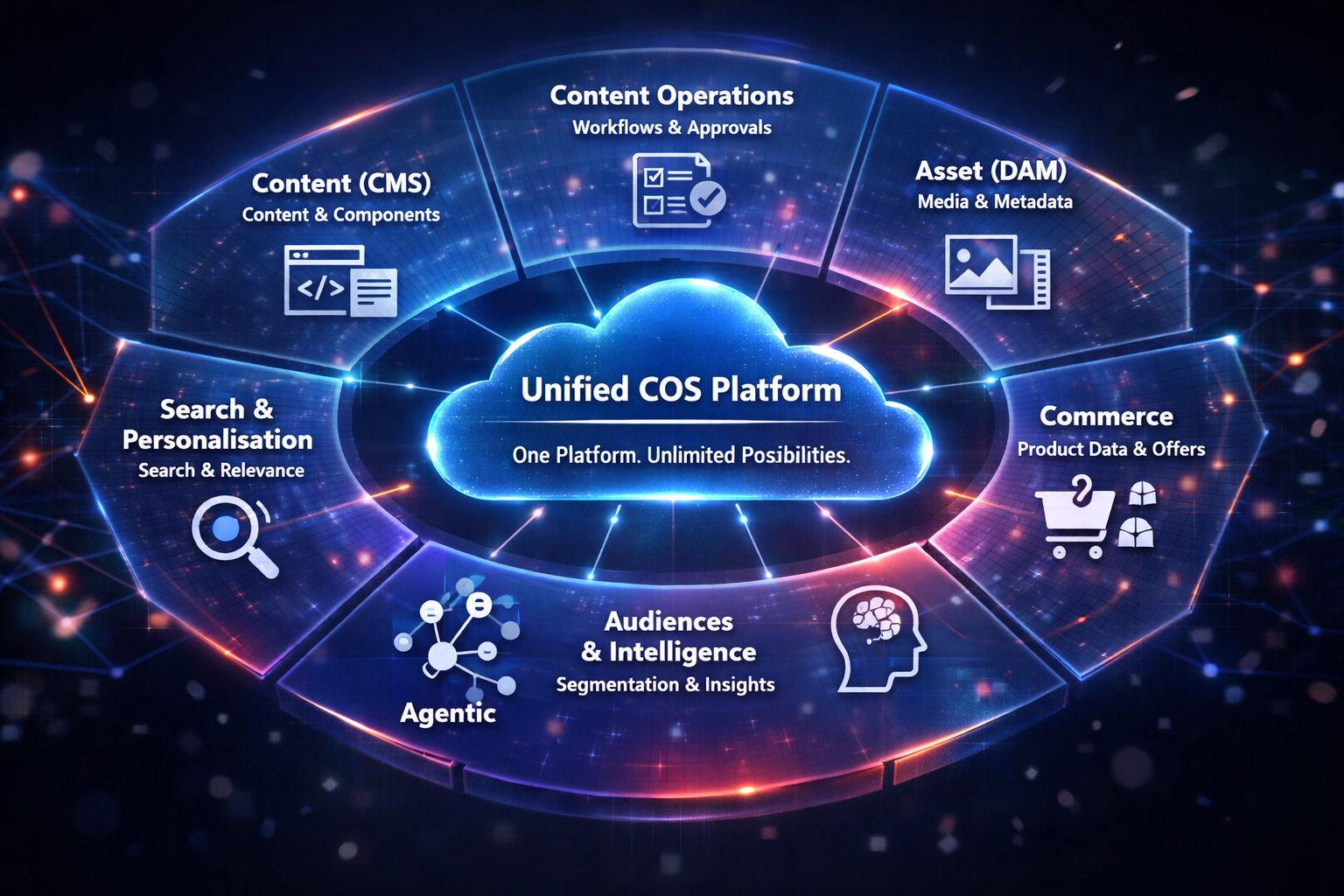
As we navigate 2026, we are facing a fundamental shift. We are no longer just delivering content; we are orchestrating Agentic Digital Services. We need to rethink the CMS not as a tool, but as a Content Operating System, the intelligent nervous system of the enterprise which can automate omni-channel publishing, implement content governance and bring real time insights on our content performance.
Traditional CMS v Agentic CMS
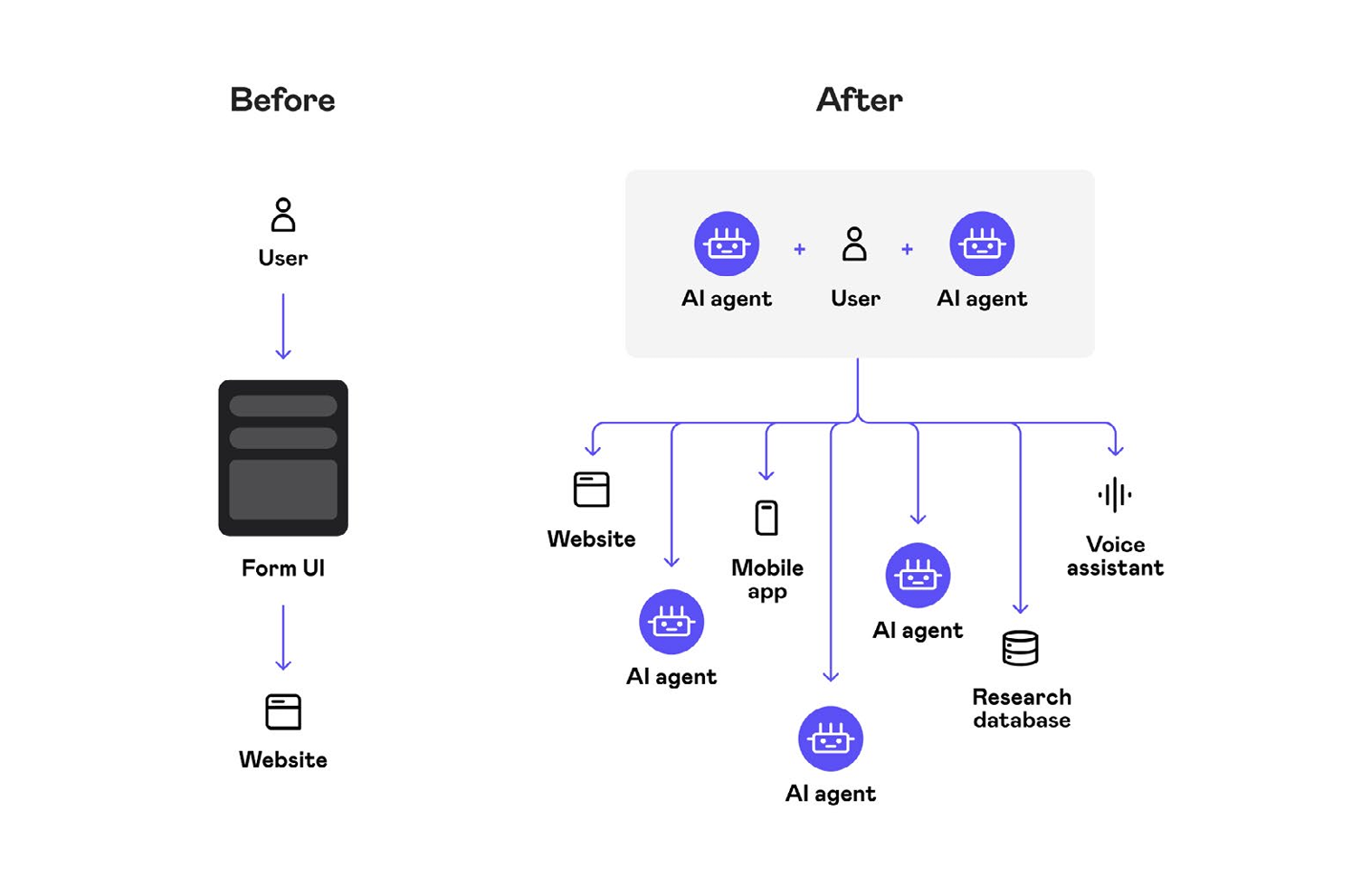
Strategy: The Intelligence Layer
Architecting digital services isn't just a technical exercise; it's an alignment to your organisational strategy. We need to view the Content Operating System as the Intelligence Layer of our stack.
Instead of just storing data, we need to build machine-readable content models that have clear ownership and intent on their purpose (user personas, GTM campaigns, educational resources, help & support, research, etc).
This allows our CMS to act autonomously, executing multi-step business logic like real-time compliance checks, multi-language translation and content SEO/GEO performance insights. When we move the decision-making into the content brain, we move toward Content as an Outcome.
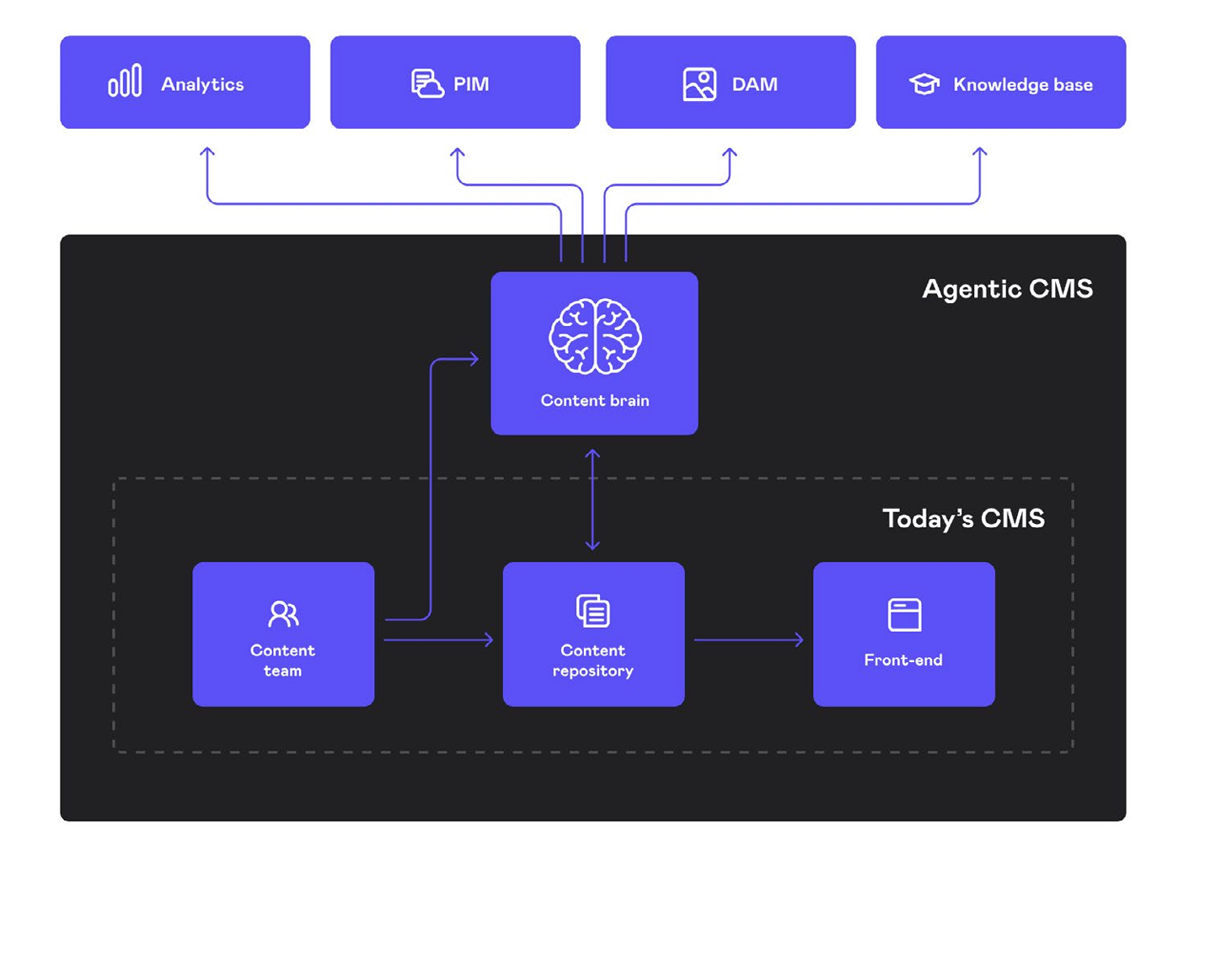
The Thread: Universal User Identity
The most persistent friction in digital transformation is the "fragmented user." They are often one person in the CRM, another in the CMS, and a ghost in the support portal.
A key mission in MarTech stacks is to create a single view of the individual. By reliably identifying the user and ensuring that identity flows through the agentic layer, we allow the right information to follow them through their journey from CMS to CRM.
When our architecture understands a user’s history and current intent, it can dynamically reassemble the content experience in real-time. This isn’t just personalisation; it’s contextual continuity.
Interop: Secure, High-Fidelity Exchange
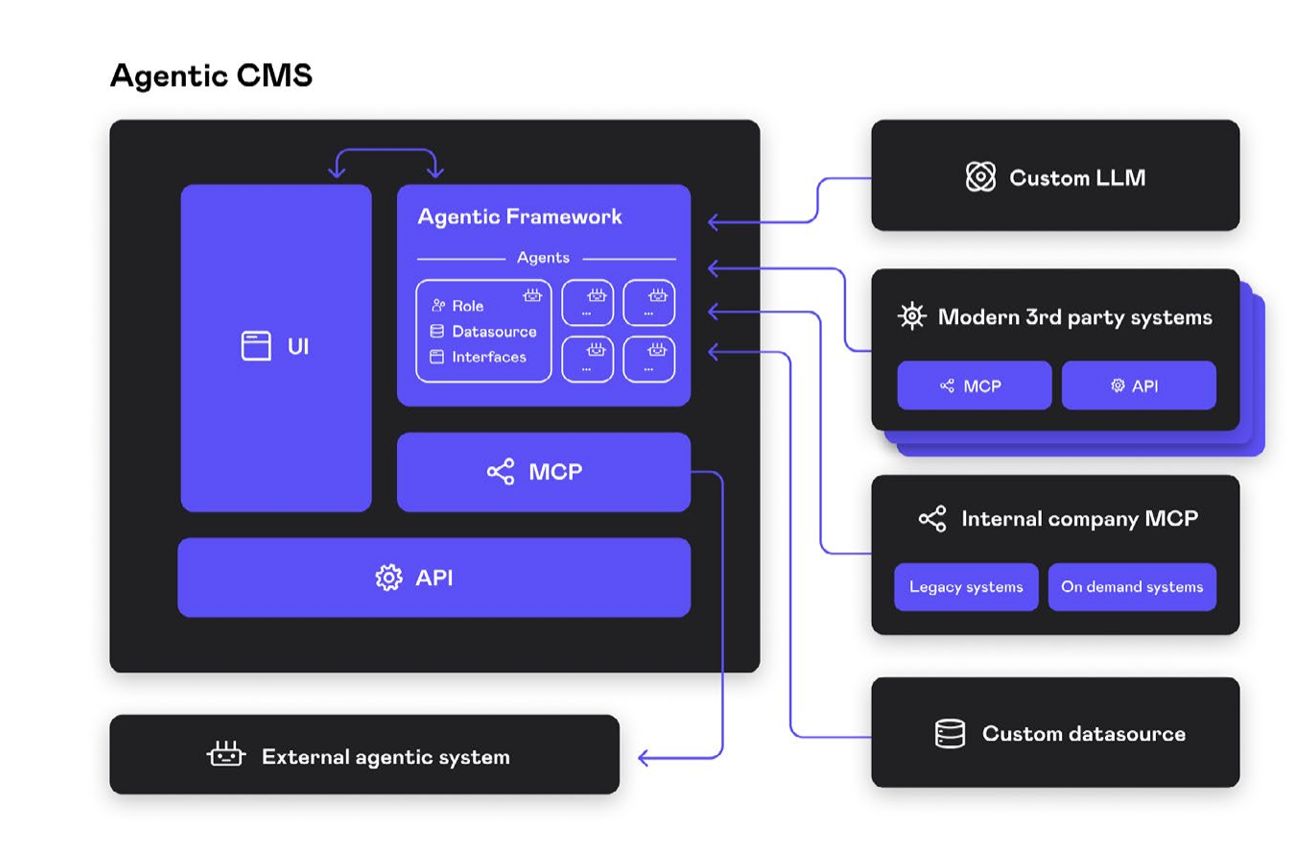
An Agentic CMS is only as powerful as the ecosystem it inhabits. We should view the modern stack as a web of connected services that exchange information quickly and securely at the point of need.
We must move beyond simple webhooks toward high-fidelity bridges. Protocols like the Model Context Protocol (MCP) act as a "USB-C for AI," allowing our CMS to securely share context with internal and external LLMs and tools. This ensures data is never "stuck" in a silo, but is always available to the system exactly when the mission requires it.
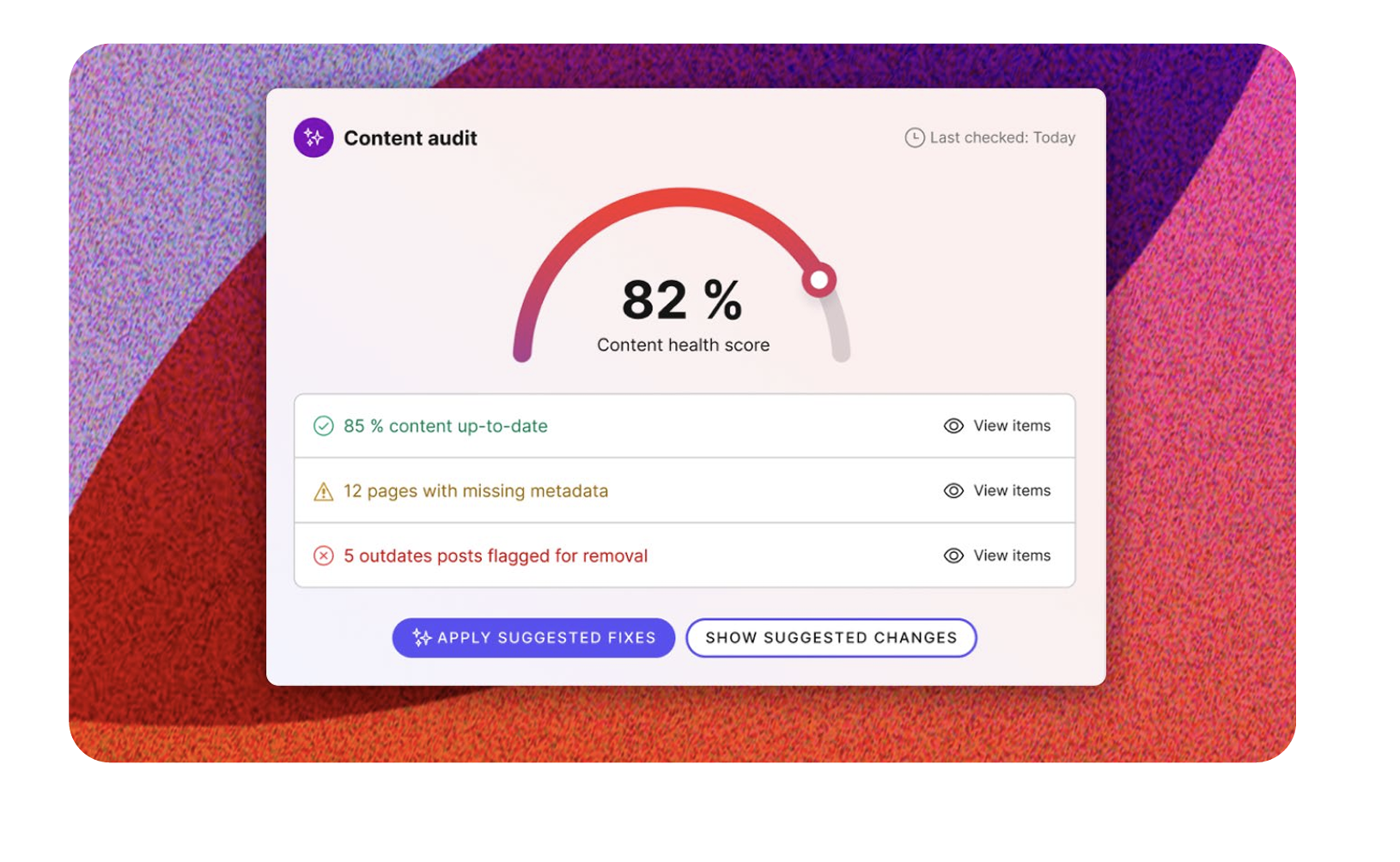
The Data Loop: Integrity and Provenance
We cannot have autonomy without High-Quality, Trusted Data. If an agent makes a decision based on outdated or unverified information, the entire architecture fails and we risk publishing incorrect content. To move from a passive bucket to a Content OS, we have to address "Data Debt" in three layers:
- Provenance and Lineage: We must track the origin of every content piece so its authority remains unquestioned.
- Semantic Enrichment: By using taxonomies and linked data, we give the system the context it needs to understand relationships between disparate services.
- The Validation Engine: We are building validation layers that check content / data against organisational standards in real-time. If the data doesn't meet the "Health Score," the agentic workflow stops until a human intervenes.
Data as a Product, Not a Project
When we treat content as a data product, we ensure it is discoverable, addressable, and secure. This mindset is what allows us to reliably identify a user and ensure the right information follows them. If our data is siloed or dirty, our "single view" of the user becomes a fragmented mess.
By focusing on the data side of the architecture, we ensure that the agents we deploy aren't just fast, they’re right and controlled by guardrails and humans intervention where needed. We are building a foundation where confidence is maintained even as data volumes multiply and flow through increasingly complex workflows.

The New Architecture
The shift to a Content Operating System (COS) isn't just a platform upgrade to an Agentic CMS; it's a move from passive storage to active orchestration.
We are building systems that prioritise secure interoperability and a deep, unified understanding of the end user.
As content is generated at a more exponential rate this new layer will become critical in surfacing fresh, contextual and engaging messaging to enhance brand identity, digital presence and crucially resonate with end users.
Up Next: That was pretty high level so in my next post, we’ll dive into the practical implementation of the Model Context Protocol (MCP) and how we can use it to securely expose our content models to autonomous agents and integrate across systems.